/
Private equity underperformed the S&P 500 by 400+ basis points over the last three years. Today's allocators are asking uncomfortable questions about fees and returns.
//
//
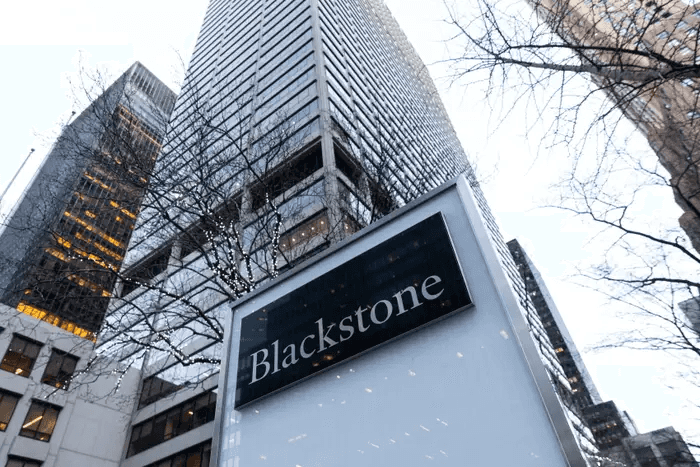
The uncomfortable truth just hit The New York Times front page: private equity underperformed public markets by 400+ basis points over the past three years. PE returned 5.8% annualized (after fees) from 2022 through September 2025. The S&P 500 returned 10-12% annualized. Same period. No complexity. No illiquidity premium. Just: you paid 2-and-20 for underperformance. This isn't a blip. This is a structural reckoning. For 20 years, allocators accepted PE's illiquidity premium. "Yes, we're locked in for 7-10 years. Yes, we pay higher fees. But the returns justify it." That narrative is dead. The returns don't justify it anymore. What happened? Multiple compression. When PE firms bought assets in the 2.0% interest rate environment of 2020-2021, they assumed they could exit those assets at 8-10x EBITDA. They bought at peak valuations in the lowest-rate environment in decades. Then rates went to 5%. Suddenly, those assets are worth 6x, not 10x. PE returns evaporated.
Confluence Group Newsletter
Your daily guide to what's moving markets — straight to your inbox.
But here's what matters for emerging managers and the alternative asset landscape: allocators are reallocating. They're not rotating back to public equities (that was their entire hedge against PE). They're rotating to liquid alternatives with transparent pricing and reasonable fees.
Hedge funds with daily NAV, monthly performance reporting, and visible risk controls are suddenly looking attractive to allocators who just realized they overpaid for illiquidity.
This is the PE Problem inverted: PE told allocators "illiquidity is worth a premium." Hedge funds are proving "liquidity is a feature, not a liability."
A mid-market family office allocator told us this week: "We locked $200M into PE funds three years ago expecting 12%+ returns. We're at 4%. Meanwhile, our hedge fund allocations are up 8-10%. The spread is embarrassing." That's not anecdotal. That's systemic.
Blackstone, KKR, Apollo—they're all raising capital and promoting their PE funds at roadshows right now. But the conversation has changed. Allocators aren't asking "how do you generate alpha?" They're asking "why should I lock capital with you when I can get better returns and daily liquidity from hedge funds?"
The mathematics are brutal. PE charged a 2% annual management fee plus 20% of profits. If you're returning 5.8% after those fees, you left returns on the table that allocators could have accessed directly. They paid for complexity and got mediocrity.
Contrast that with a competent systematic or discretionary hedge fund charging 1% + 15%, with monthly reporting, daily NAV, and transparent risk management. If they return 8-10%, you got better returns, better visibility, and better liquidity. The fee differential is justified.
This is the realignment happening right now in allocator portfolios. PE was the destination for "we need illiquidity premium and we're willing to accept operational opacity to get it." That value proposition is broken.
Where is that capital going? Some of it stays in alternatives, but in hedge funds. Some rotates into private credit (which at least offers quarterly or monthly reporting). Some rotates back into public markets. But the big story is: allocators are demanding transparency and liquidity again.
For emerging hedge fund managers, this is the biggest tailwind in five years. Allocators aren't asking "do I have room in my PE allocation?" They're asking "which hedge funds have the infrastructure and discipline to deliver 8-12% returns with daily liquidity and monthly reporting?"
The institutional infrastructure that used to be a "nice-to-have" for emerging managers is now a requirement. Because allocators have been burned by opacity. They want fund administrators, custodians, independent audit, transparent documentation. They want proof that you're running a professional operation, not a trading shop.
This is the moment PE's underperformance creates space for emerging managers. Not because PE is going away. But because allocators are rebalancing their appetite for illiquidity and opacity. And hedge funds—especially those with real operational due diligence rigor and institutional risk management—are the beneficiary.
The question for emerging managers: do you have the infrastructure to capture this moment? Because allocators who just realized they overpaid for opacity aren't going to accept it from emerging funds either. They want institutional-grade reporting, compliance, and risk management from day one.
That's not punishment. That's the new baseline. And it's the biggest opportunity for emerging managers in half a decade.

